Practitioner Note · No. 09 · November 2026
Why Trust Companies Pay Twice for the Same Work
When the reasons behind a decision are scattered across emails, documents and memory, the firm eventually pays to piece them back together.
This article was originally published by PCD Group · Read the original on pcd.group
A director is preparing for a client meeting and asks a straightforward question: why did we approve that distribution?
The resolution is in the file. The payment is recorded. But the officer who handled the matter is away, and the resolution says little beyond the amount, the beneficiary and the relevant clause of the trust deed.
Someone starts searching the mailbox.
An attachment leads to another thread. That thread refers to an earlier discussion. A colleague remembers a concern being raised but cannot recall how it was resolved. What should have been a quick review becomes an afternoon of investigation.
The firm has already done the work. It is now paying to understand it.
This is one of the less visible costs of fiduciary administration: the distance between completing a task and preserving enough context for someone else to explain it.
Where the reasoning lives
In a fragmented setup, entity records and fees sit in administration software. Signed documents go into a repository. Deadlines are tracked in Excel. Email holds the questions, reservations, advice and exchanges that shaped the decision.
The connection between those systems is often a person. They know which attachment matters, why the first draft changed and what the client said on the telephone. While they are available, the arrangement can work remarkably well. Their knowledge fills the gaps.
An absence or a handover exposes how much the firm relies on that knowledge.
A capable officer may have considered a distribution carefully, weighed competing interests and reached a sound conclusion. Yet the final resolution may preserve almost none of that work. Citing a power in the trust deed identifies the authority relied upon. It does not, by itself, explain why exercising that power was appropriate in those circumstances.
The next person inherits the outcome and has to work backwards.
Templates can make this easier to miss. Last year’s resolution provides a convenient starting point. Names, dates and amounts are updated. The document looks familiar, moves through approval and is filed. Unless the process prompts a fresh account of the relevant considerations, the reasoning behind this year’s decision may remain in correspondence—or in the officer’s head.
Where the cost appears
The cost emerges later, in ordinary working situations.
A client meeting requires someone to assemble the current position by hand. A departing officer leaves a successor with months of correspondence to interpret. An audit request sends senior staff searching for evidence of discussions they remember having.
Those hours disappear into familiar categories: administration, supervision, meeting preparation, client service. The cost reaches the profit and loss account; its cause is harder to see.
Whether the firm absorbs the time or bills the client, someone is paying for reconstruction. Recovering a fee does not restore the capacity spent. A director reviewing old email chains has less time for current decisions, clients and the team.
This matters for growth. Taking on more structures while relying on individuals to supply the missing context increases the burden on precisely the people whose experience is hardest to replace.
What AI does and does not solve
AI can make document production faster. It can help search correspondence, summarise a file and prepare a draft resolution. Those are useful improvements.
But a polished explanation generated afterwards cannot establish what the trustee actually considered at the time. It may bring existing evidence together. Where the record is incomplete, it may also produce a plausible narrative that needs careful checking.
Faster drafting leaves the underlying problem unresolved unless the process also captures the judgement behind the document.
Record the reasons while the decision is being made
The practical change is straightforward to describe: record the reasons while the decision is being made.
For a significant discretionary decision, a useful record identifies the question, the information considered and the factors that determined the outcome. It links to the supporting material and records who reviewed and approved the action. Where uncertainty remains or conditions apply, those belong in the record too.
What a resolution may leave out
The detail should match the decision. Routine matters can be brief. Exceptional or complex decisions warrant more explanation. The standard is whether another authorised professional can understand the reasoning without conducting a fresh investigation.
That is also a useful test for technology investment. Alongside the time saved drafting a resolution, measure the time needed to understand a file, cover an absence or answer an audit question. These are practical tests of whether knowledge survives beyond the person who holds it.
A firm should be able to explain its decisions without finding the person who remembers them.
Frédéric Sanz is Founder and Director of FiduciaCorp, which develops AI governance architecture for licensed fiduciary services across multiple jurisdictions. He has over twenty years in international private client and trust administration, with senior roles at J.P. Morgan Private Bank, CSC Group, TMF Group and Rhone Trustees (formerly Pictet’s trust business). He is the author of Governing AI in the Trust Company (2026) and AI Unleashed for Trustees & Family Offices (2024) and holds an Executive MBA, a MAS and an MSc.
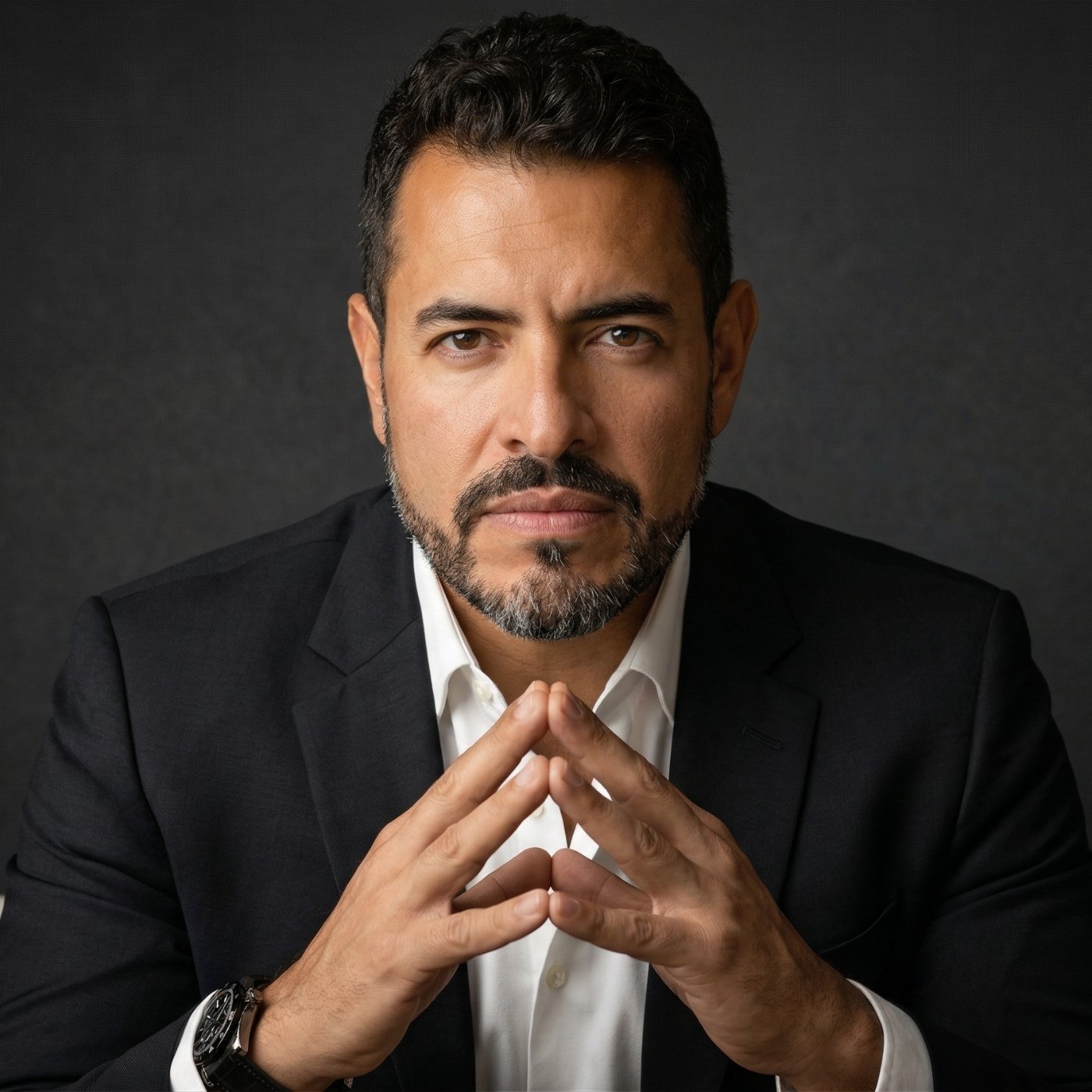
Frédéric Sanz
Founder & President, FiduciaCorp · LinkedIn